
1.8K
Downloads
78
Episodes
Welcome to our public health podcast, where inspiration meets information! Join us as we delve into motivational commentary and compelling stories shared by residents and experts. From preventive measures to preparedness strategies and recovery journeys, we cover it all! Presented by the Southwest Utah Public Health Department, our mission is clear: safeguarding community health through proactive wellness initiatives and the prevention of disease and injury. Tune in to stay informed, empowered, and resilient!
Episodes
Apr 10, 2025
Apr 10, 2025
2 min
BE A PREPAREDNESS BUDDY
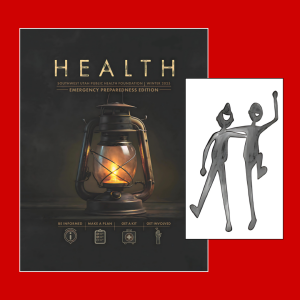
HEALTH Magazine, Winter 2025
Published by the Southwest Utah Public Health Foundation
This podcast episode is an AI-generated narration of the HEALTH Magazine article.
The full article text is provided below as the official transcript of this episode.
Be a Preparedness Buddy by Ali Elmen, MPH, Guest Author
Narrated by Lorenza Phillips using AI-assisted voice.
Did you know that more than half of Americans have a temporary or permanent condition that could limit their ability to respond during a disaster? Having a relative, friend, or neighbor - a preparedness buddy in place can make a big difference for individuals who may require additional assistance before, during, and after an emergency. Consider how a disaster might be challenging for the following groups:
Children, Individuals with disabilities, People with limited English proficiency, Residents of institutional settings, Individuals with chronic health conditions, People with fixed or low income, Individuals with pharmacological dependencies, those relying on medical devices or mobility aids, Individuals with limited access to transportation, Households with pets, farm animals, or service animals, People experiencing homelessness
Do you or someone you know fall into one of these categories? If so, here are ways to prepare for an emergency:
COMMUNICATION is crucial, especially for people who have difficulty hearing, seeing, speaking, or understanding. During emergencies, they might not hear announcements, see signs, or be able to express their needs. Planning ahead with text alerts, visual aids, or language translation services ensures they can receive and respond to critical information. They will also want to sign up for emergency alerts for their county.
MAINTAINING HEALTH is vital for those who require assistance to manage their health or daily activities. They should have a sufficient supply of medications, backup medical equipment, and a plan for accessing necessary treatments during an emergency.
INDEPENDENCE for those who rely on assistive devices such as wheelchairs, walkers, or communication aids depends on those items being accessible and functional. Keep them in a location that is easy to access quickly and have backups if possible.
SUPPORT SYSTEMS for people with mental health conditions—including dementia, severe mental illness, or addiction—should be in place to provide stability and protection, since those conditions can be exacerbated during stressful situations like emergencies.
TRANSPORTATION needs should be considered in advance for individuals who cannot drive or require wheelchair-accessible vehicles, especially in case of evacuations. Preparation is a shared responsibility—how can you use this framework to enhance your readiness or assist someone you know?
No comments yet. Be the first to say something!